Su-37 Terminator
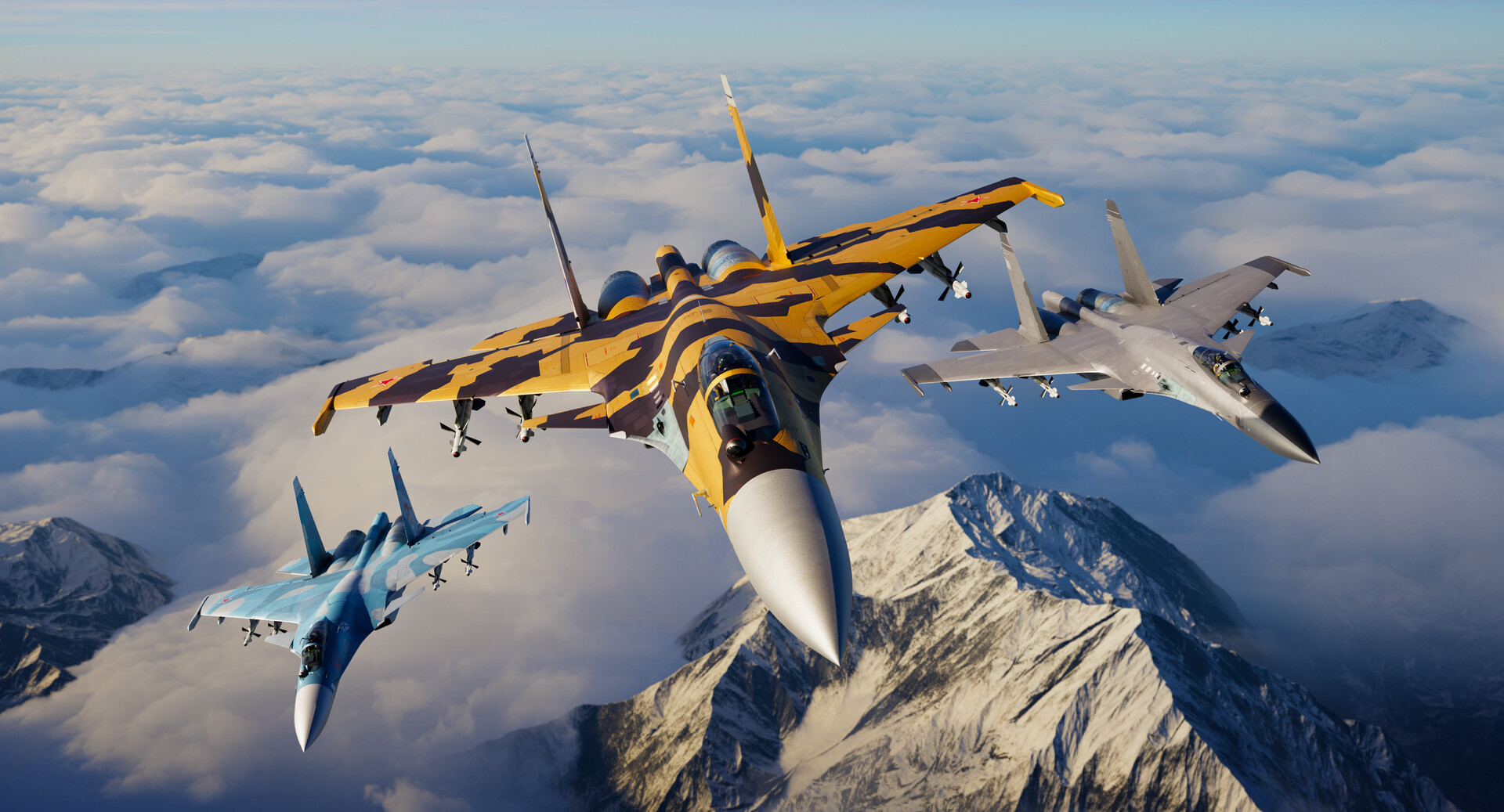
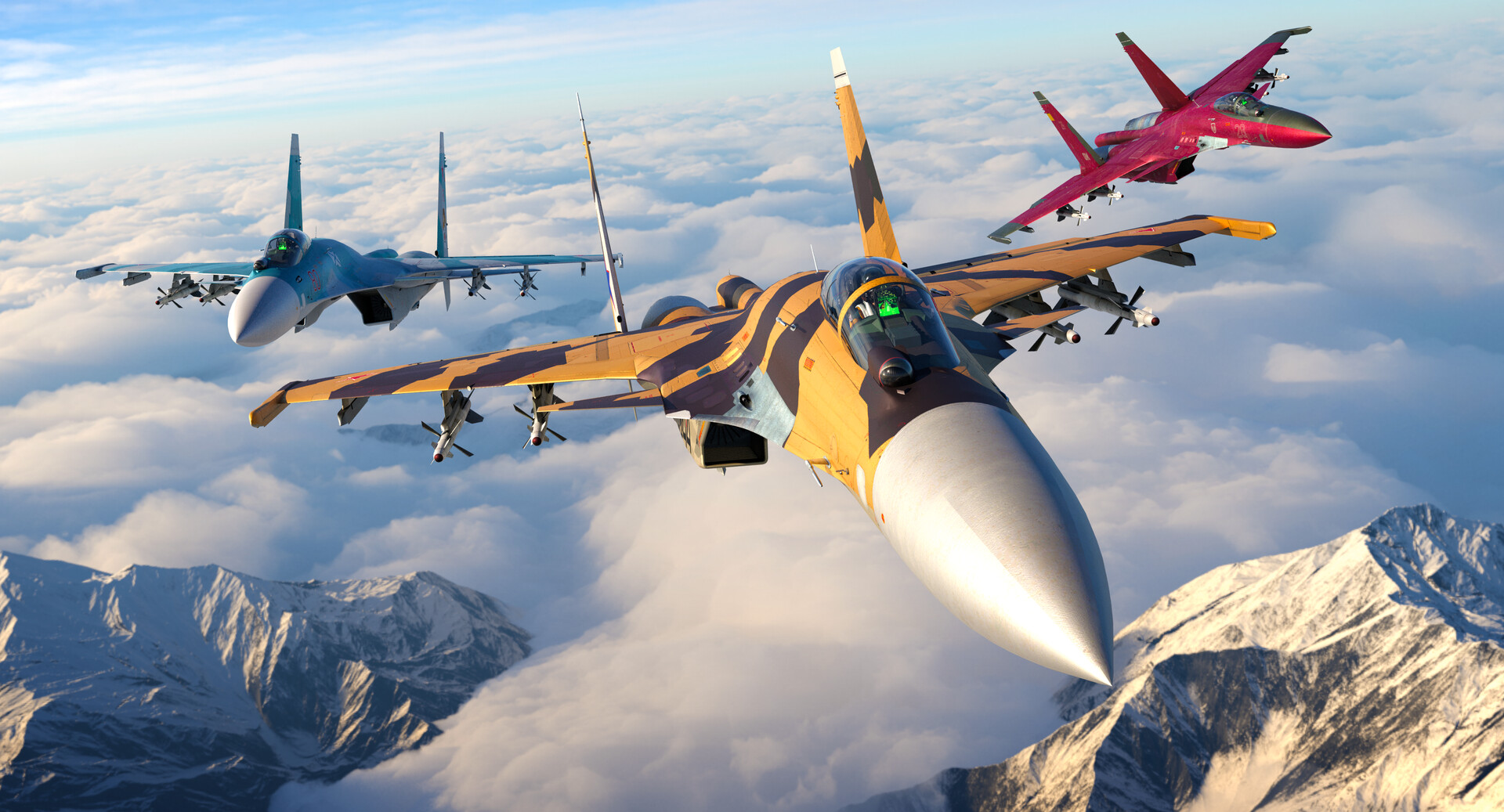
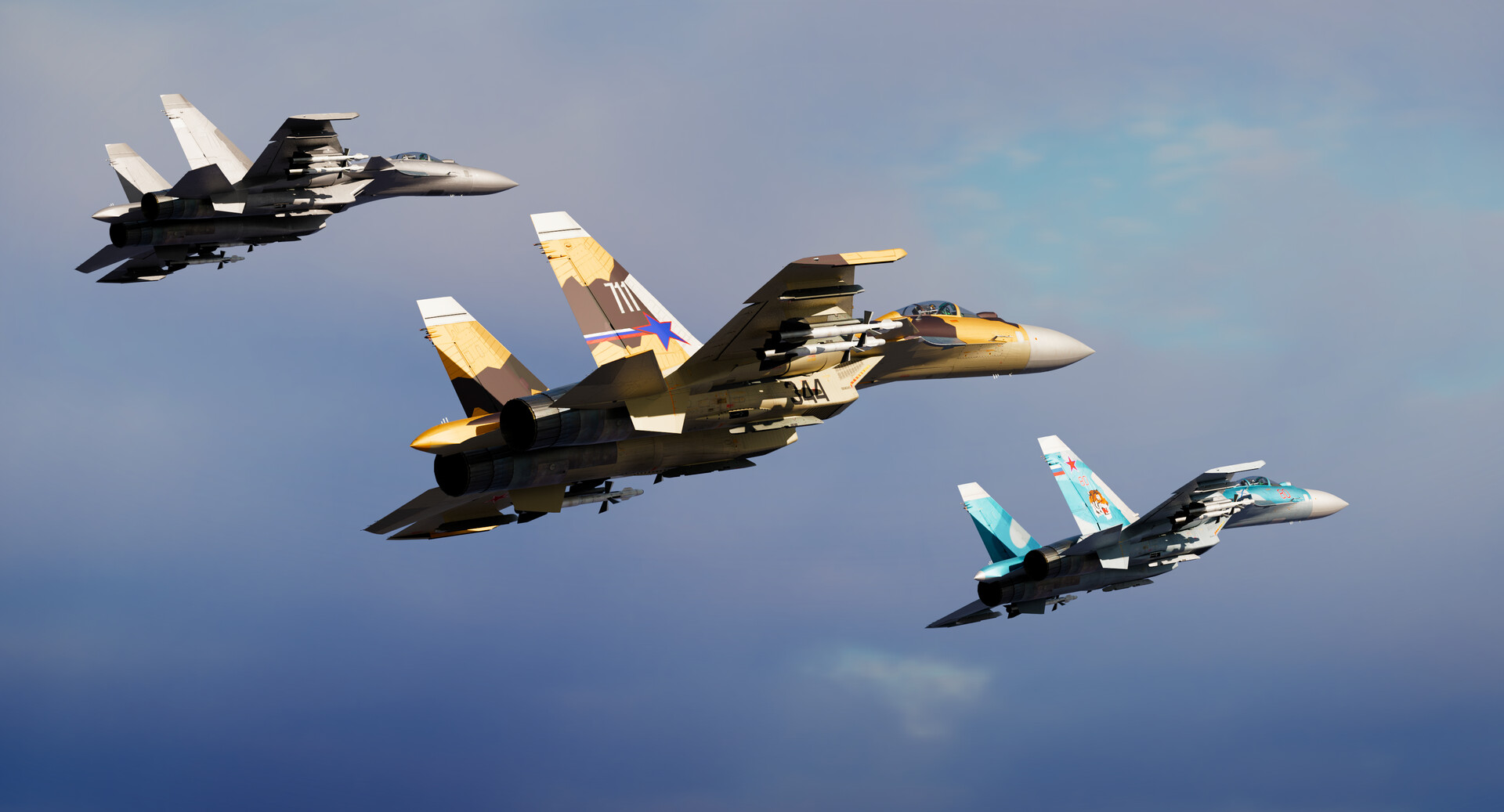
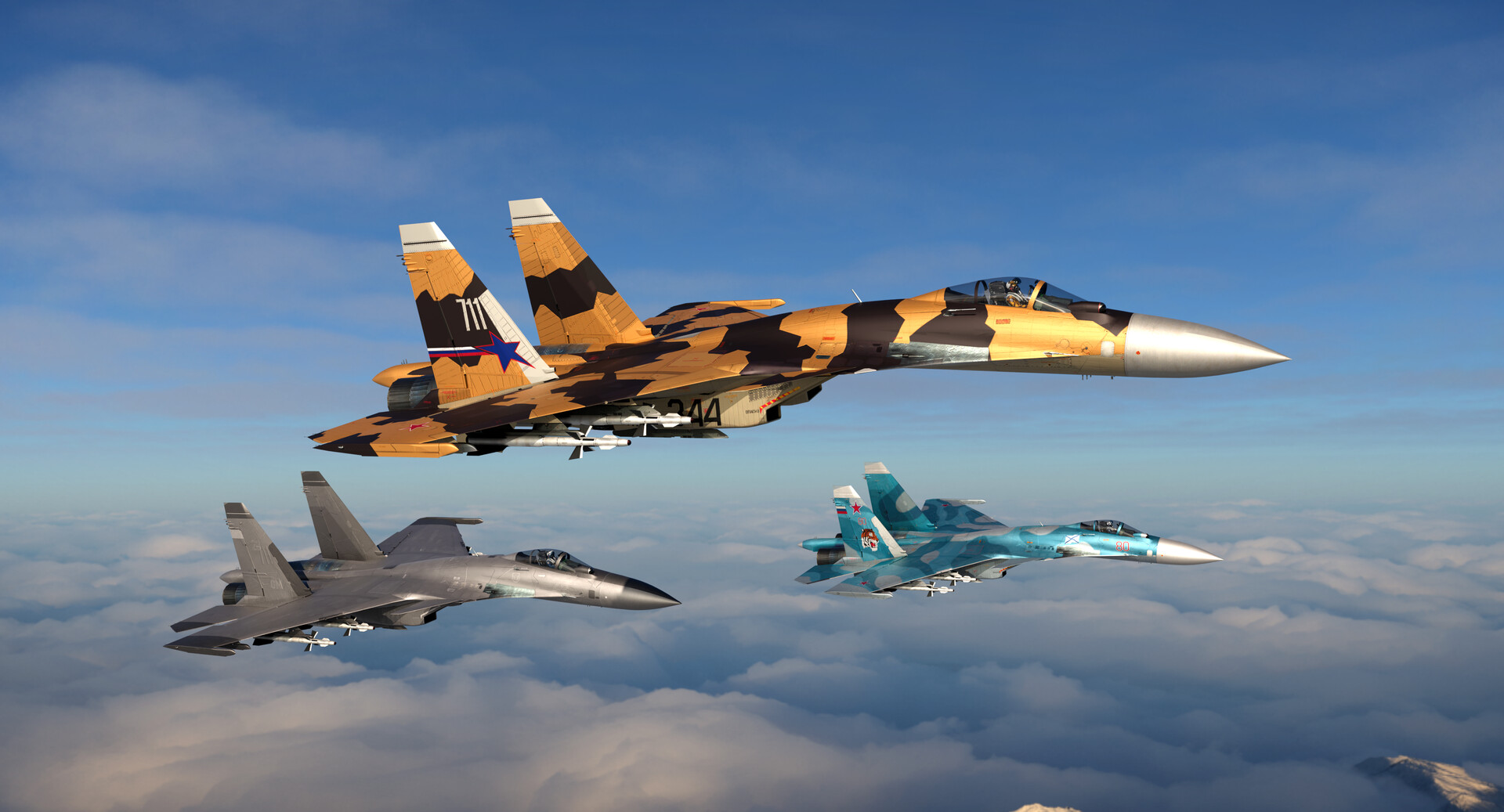
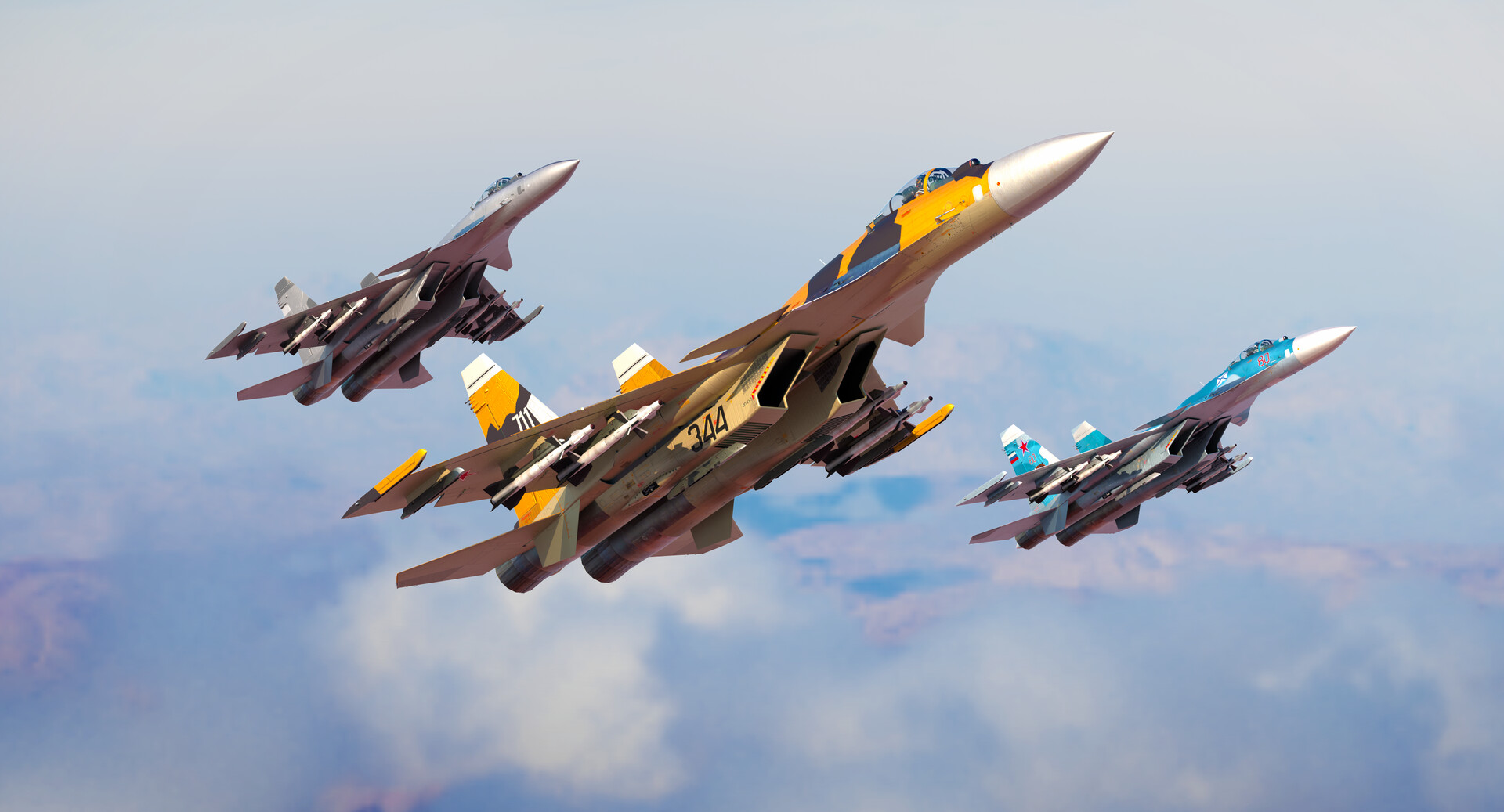
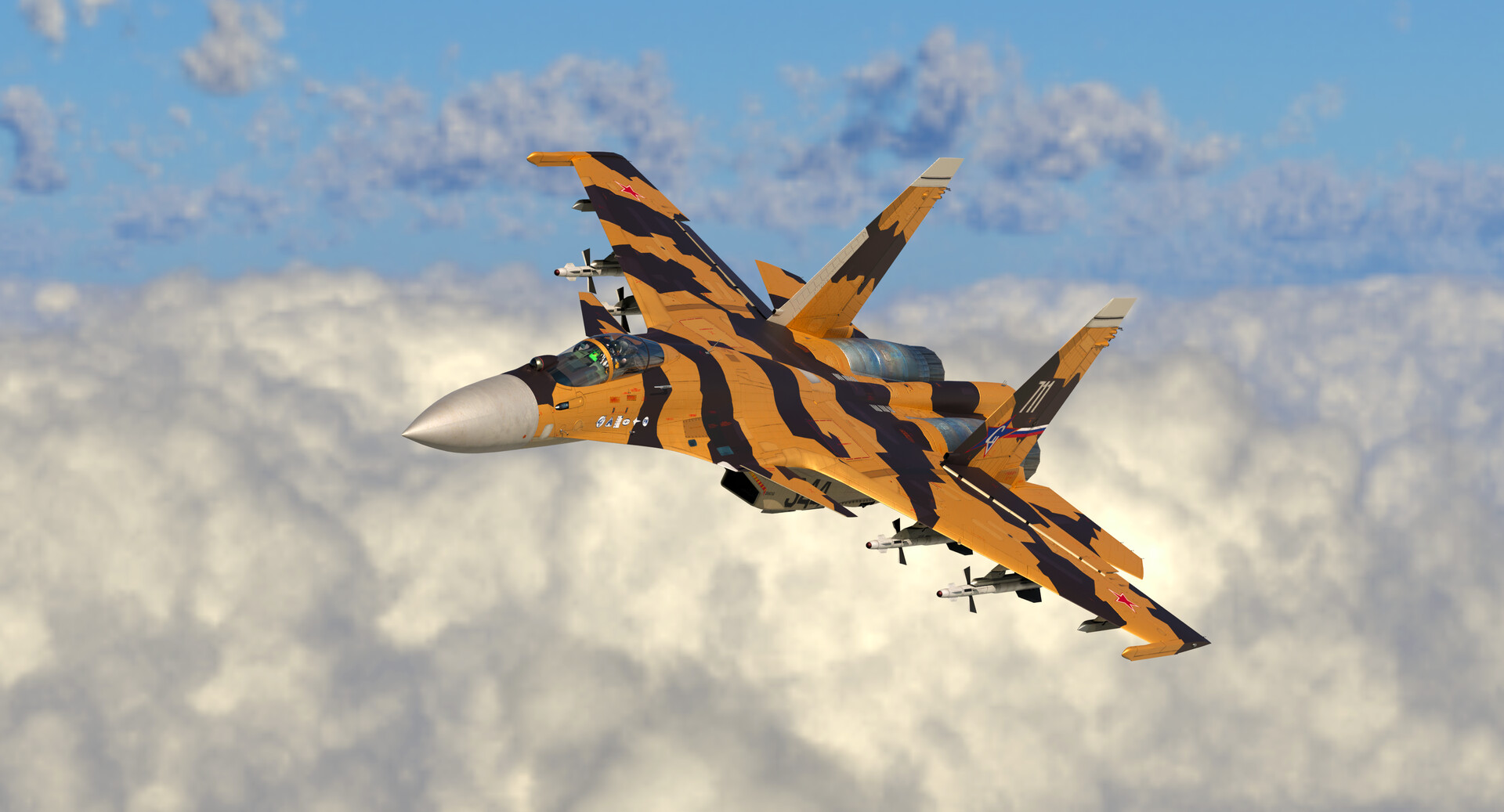
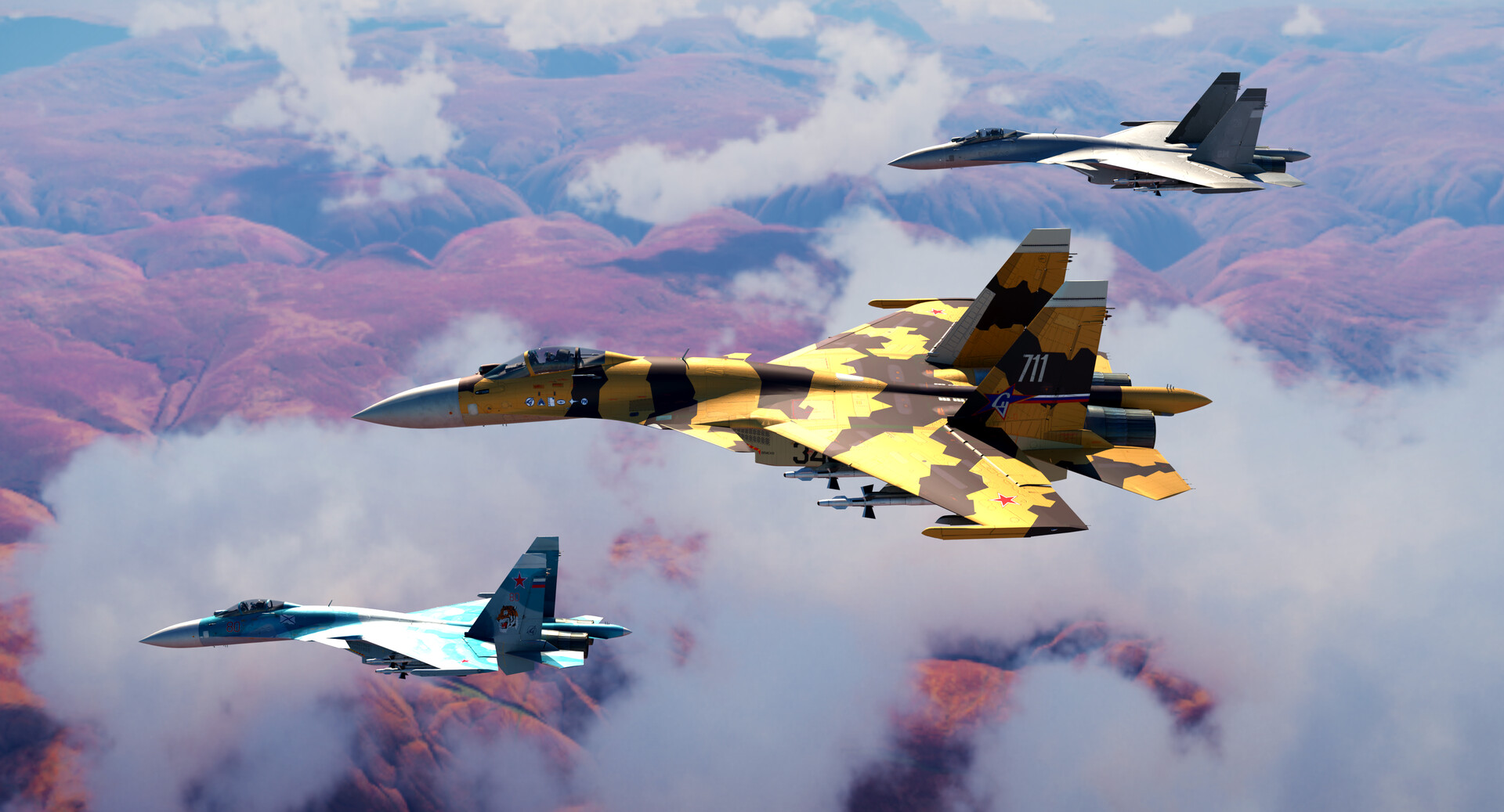
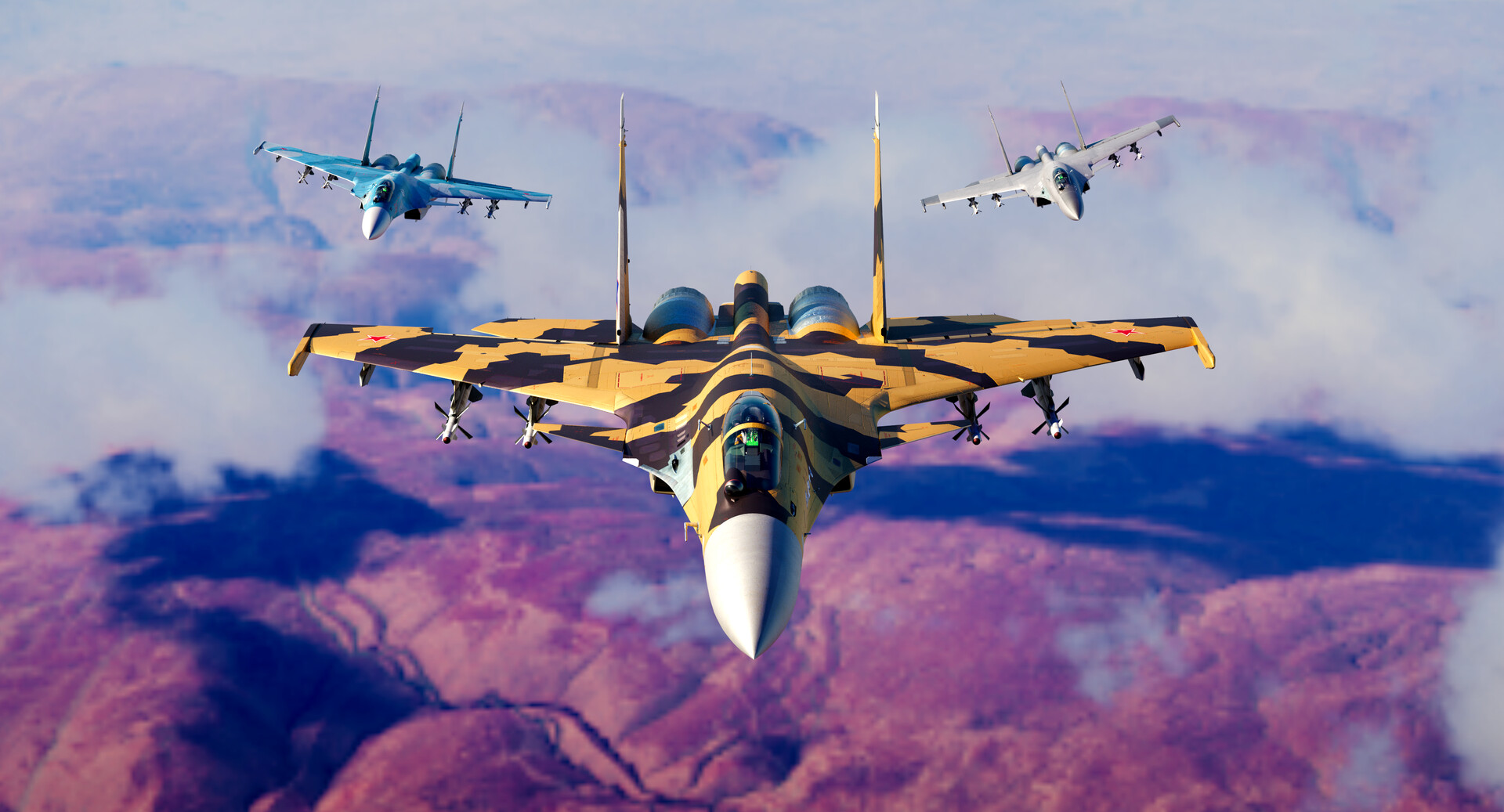
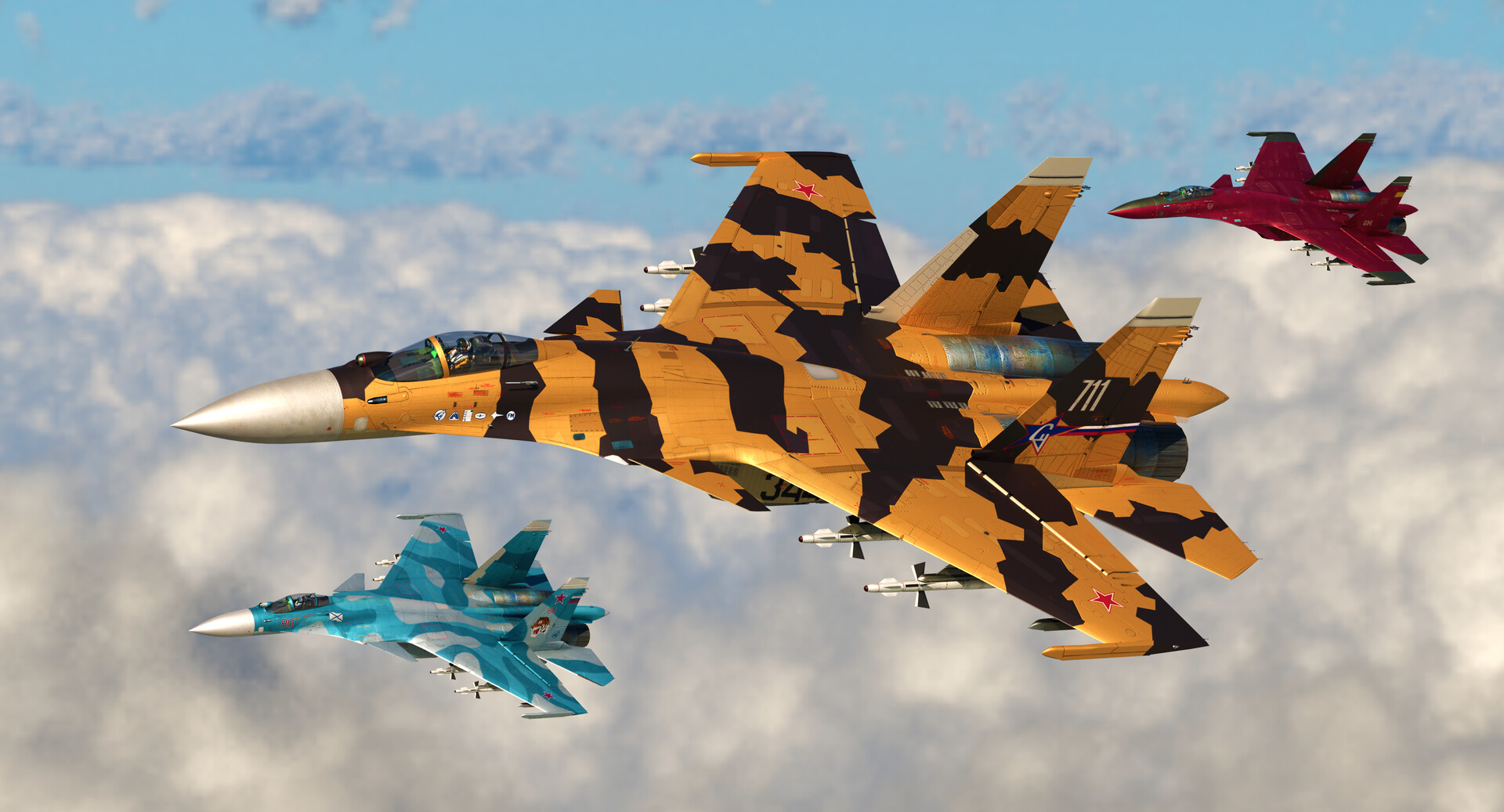
The Sukhoi Su-37 Terminator is a Russian prototype multirole fighter, developed in the 1990s as an advanced variant of the Su-27 Flanker series. Although the Su-37 never entered production, it served as an important testbed for new technologies that later influenced the development of Russian fighter jets like the Su-35S and the fifth-generation Su-57. Here’s an overview of its key features and significance:
1. Design and Origins
The Su-37 was developed by the Russian company Sukhoi as an upgraded version of the Su-27, incorporating advanced avionics, weapons systems, and structural improvements. Its design drew heavily from the Su-35 prototype, which also explored enhanced maneuverability and systems.
2. Key Features
• Thrust Vectoring
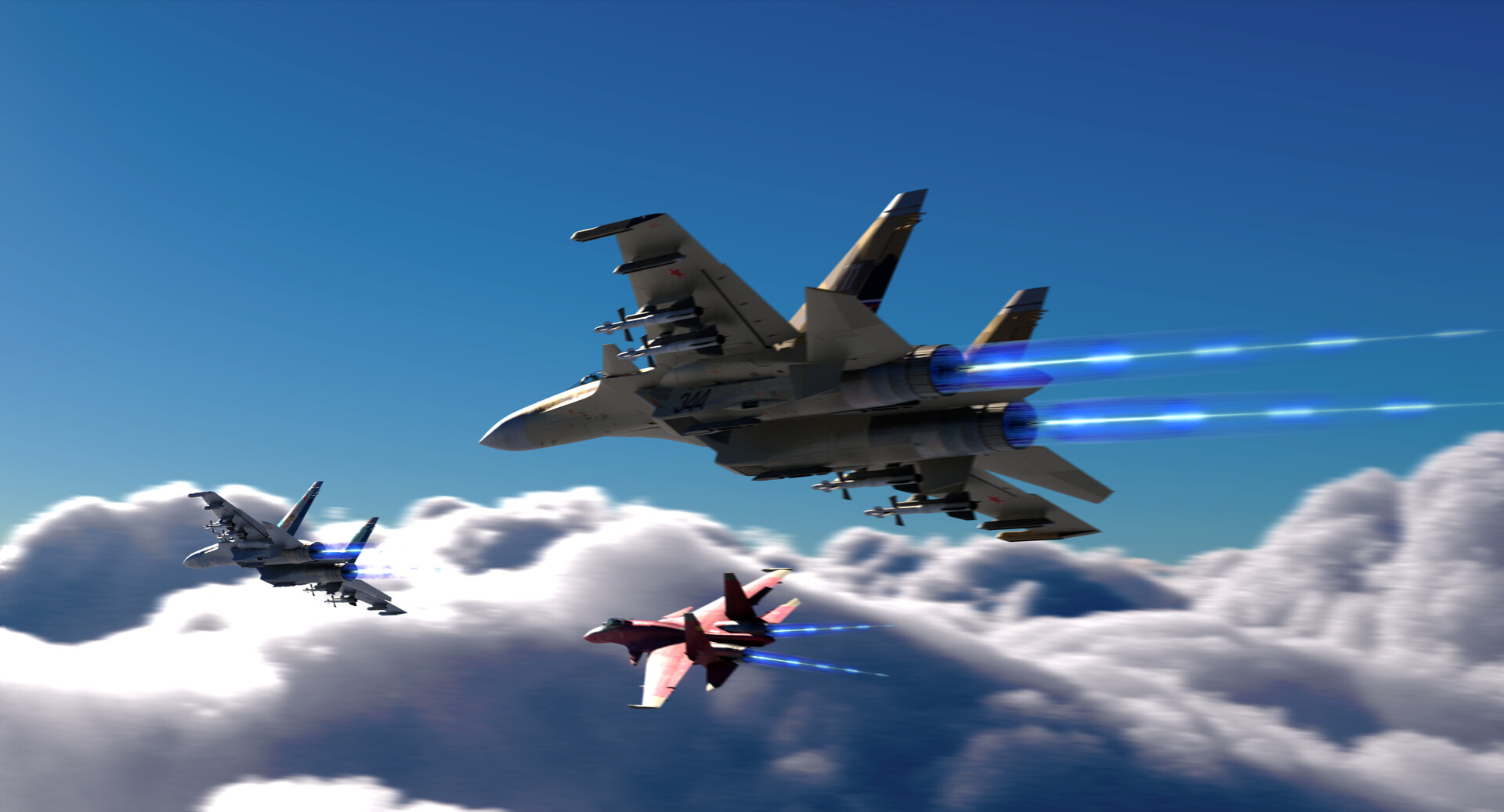
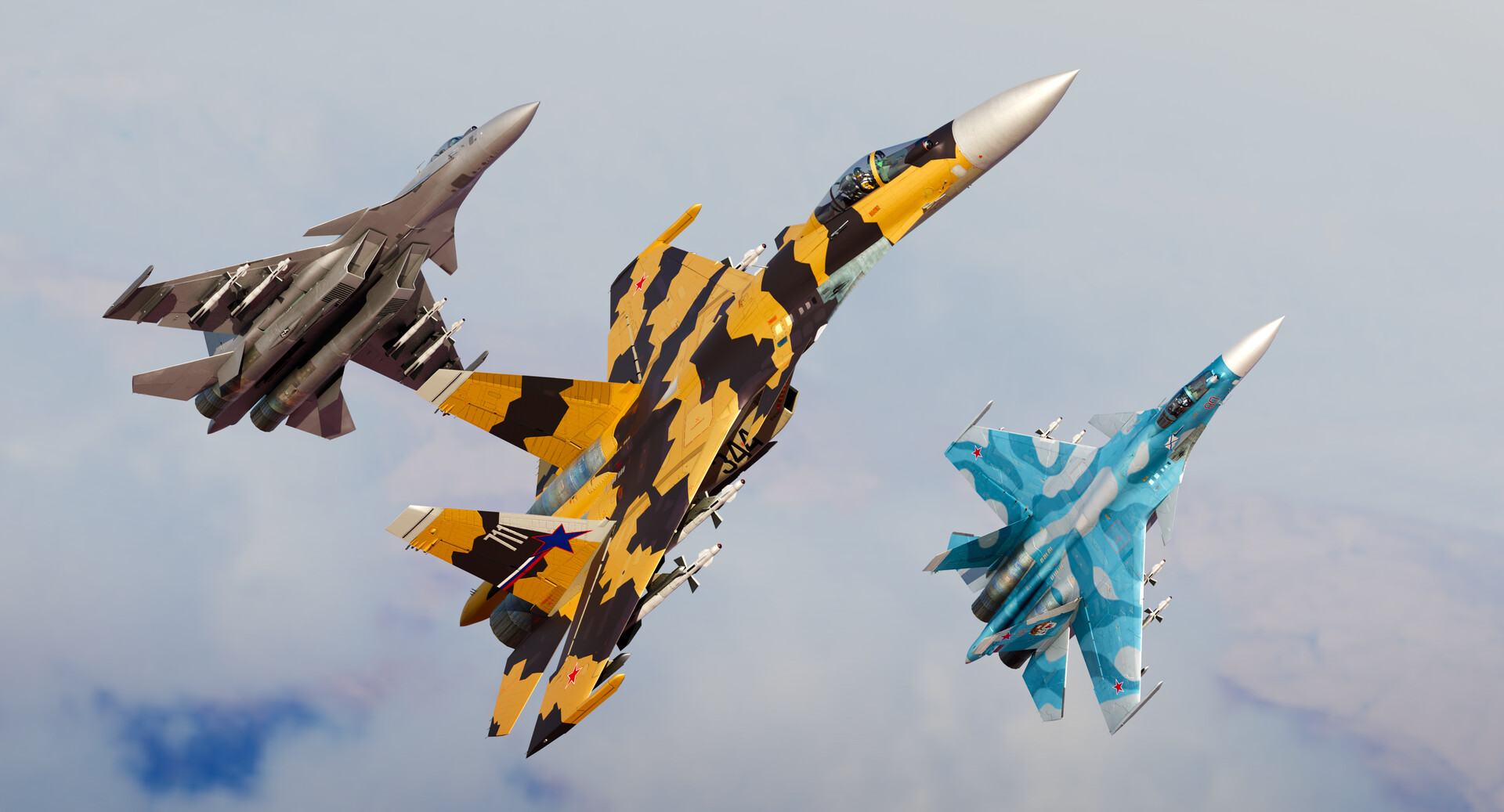
One of the Su-37’s most notable features was its thrust-vectoring capability, which allowed it to achieve extreme maneuverability beyond what standard aerodynamic controls could accomplish. The engines could direct thrust in multiple directions, enabling advanced maneuvers like the Pugachev’s Cobra and tail slides.
• Enhanced Avionics
The Su-37 featured advanced avionics for its time, including a digital fly-by-wire system and a new radar capable of tracking multiple targets simultaneously. Its cockpit was modernized with a digital display, providing improved situational awareness for the pilot.
• Weapons
As a multirole aircraft, the Su-37 was designed to carry a wide array of weaponry, including air-to-air missiles, air-to-ground missiles, and bombs. This versatility made it capable of engaging both airborne threats and ground targets.
3. Performance and Maneuverability
The Su-37’s thrust-vectoring engines, combined with its aerodynamic design, allowed it to perform supermaneuverable actions that most contemporary fighter jets could not match. This included sharp turns, rapid direction changes, and extreme angles of attack, giving it a significant advantage in dogfights. Its agility made it one of the most maneuverable fighters of its time, even when compared to modern jets.
4. Influence on Future Aircraft
Although only one Su-37 prototype (designated T-10M-11) was built and the project was eventually canceled, the technologies it demonstrated had a lasting impact. The Su-37’s thrust-vectoring and avionics advancements influenced the design of the Su-35S (a highly advanced Su-27 derivative) and contributed to the development of the Su-57 Felon, Russia’s fifth-generation stealth fighter.
5. Legacy and Cancellation
The Su-37 program was eventually discontinued, largely due to budget constraints and the challenges facing Russia’s defense industry in the 1990s. While the Su-37 did not enter mass production or active service, it remains a significant prototype in the evolution of Russian military aviation. Its contributions to thrust-vectoring technology and advanced fighter design continue to be relevant in modern Russian aircraft.
In summary, the Su-37 Terminator was a groundbreaking prototype that showcased Russia’s progress in maneuverability and fighter technology. Although it never entered full production, the Su-37’s influence is still seen in Russian aircraft like the Su-35S and the Su-57, cementing its legacy in the development of agile, advanced fighters.